If you are getting ready to sell an older home in La Jolla, you do not need to guess your way through expensive updates. In a coastal market filled with established homes, buyers often compare condition, upkeep, and presentation just as much as location. The good news is that a smart prep plan can help you protect value, avoid avoidable surprises, and make a stronger impression from day one. Let’s dive in.
Why prep matters in La Jolla
La Jolla is a mostly built-out coastal community, and the City of San Diego notes that much of its housing stock reflects earlier eras of development, including smaller single-family cottages in areas like the Village and along the coastline. That means many sellers are not competing against brand-new construction. Instead, you are often competing against other older homes that may be better maintained, better staged, or better prepared for market.
That makes pre-listing work especially important. In April 2026, Redfin reported a La Jolla median sale price of about $2.4 million, average days on market of 38, and a sale-to-list ratio of 97.8%, with 24.2% of homes showing price drops. In practical terms, buyers are active, but they are still noticing condition and using it in negotiations.
Start with what buyers see first
When you are working with a limited budget, the first dollars should usually go toward visible improvements. Buyers often form an opinion before they even step inside, and that first impression can shape how they view the rest of the house.
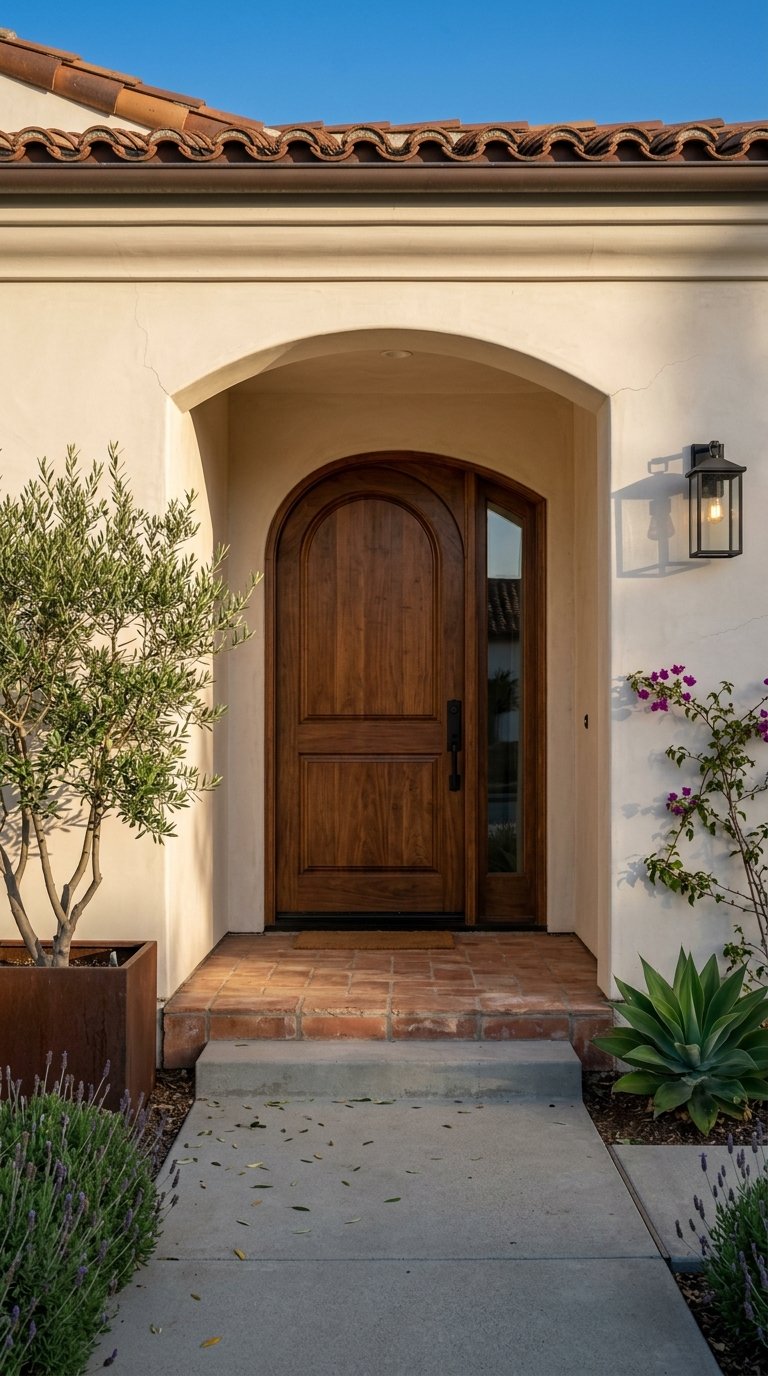
Research points to curb appeal, the front entrance, and overall cleanliness as high-value areas to address. Basic cleanup, refreshed landscaping, washed windows, updated lighting, fresh paint where needed, and reduced clutter can make an older home feel cared for rather than dated.
Focus on curb appeal
Exterior presentation matters because it signals maintenance. If the front yard feels tired or the entry looks worn, buyers may assume larger deferred maintenance issues are waiting inside.
A few practical exterior items often rise to the top:
- Tidy landscaping and trim overgrowth
- Refresh the front door or entry hardware
- Clean windows and exterior surfaces
- Replace worn or dated light fixtures
- Remove visible clutter and personal items
- Touch up peeling or weathered paint
The Pacific-region Cost vs. Value data supports this visible-first approach. In that region, garage door replacement and steel entry door replacement showed especially strong cost recovery at resale, while broader exterior improvements also performed well on average.
Make the interior feel clean and current
Older homes in La Jolla often have character, but buyers still want a home that feels move-in ready. That does not always mean a major remodel. More often, it means reducing distractions so buyers can focus on the home itself.
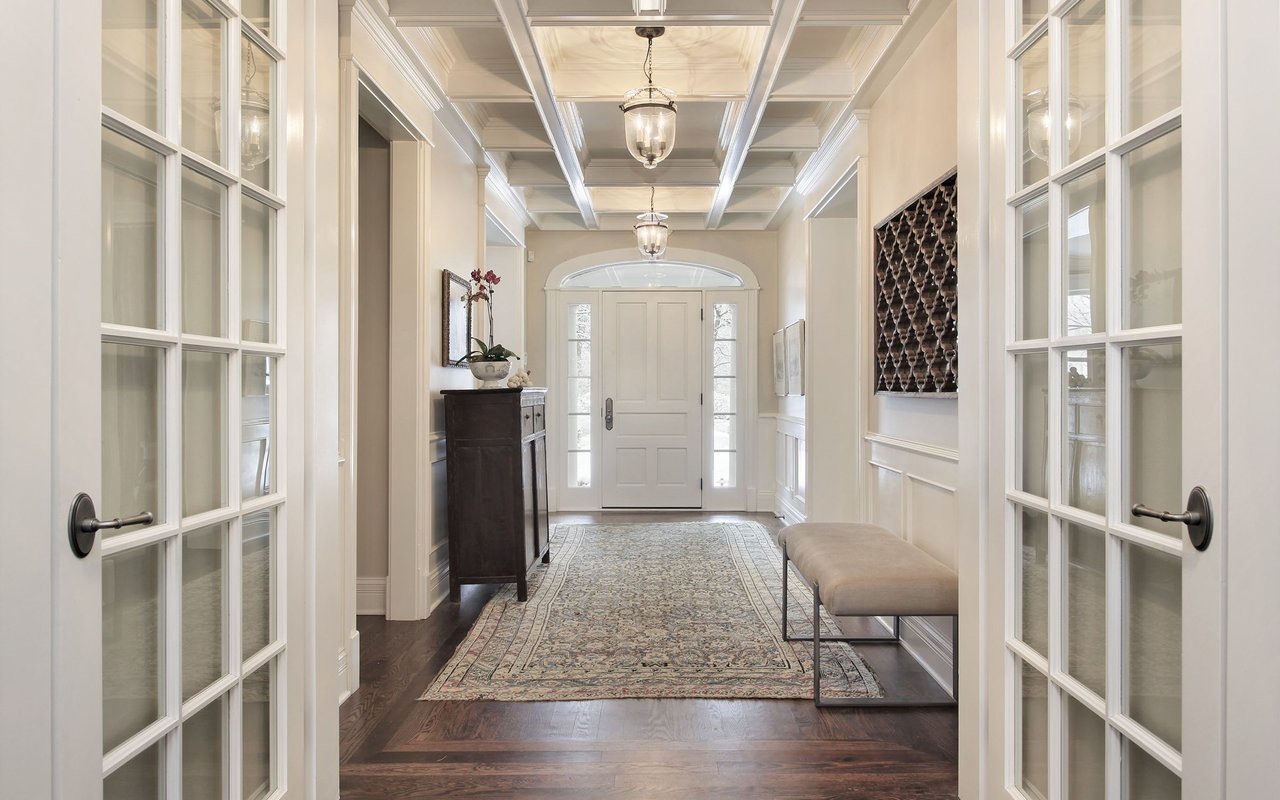
A clean, neutral, well-lit presentation usually works best. Staging can also help buyers picture how the home lives, especially in key rooms like the living room, primary bedroom, and dining room.
Address the biggest visual turnoffs
For higher-end buyers, obvious dated features can quickly hurt momentum. Redfin’s luxury-buyer preference research found that outdated kitchens were the biggest turnoff, followed by lack of curb appeal, outdated bathrooms, and popcorn ceilings.
If your home has several of these issues, focus on the ones that buyers will notice immediately in photos and during showings. You do not need to personalize the house for the next owner. You want to make it feel clean, simple, and easy to say yes to.
Prioritize light cosmetic updates
If you are deciding between a full remodel and a selective refresh, the selective refresh often makes more sense when your goal is to list soon. A minor midrange kitchen remodel in the Pacific region recouped 96.1% of cost on average, which suggests a modest update may be easier to justify than a full gut renovation.
That could include:
- Painting cabinets if appropriate
- Updating dated hardware
- Replacing worn light fixtures
- Improving lighting for a brighter look
- Refreshing surfaces that show heavy wear
- Cleaning or replacing old caulking in baths and kitchens
The goal is not perfection. The goal is to remove the feeling that the buyer will need to tackle a long list of visible projects right after closing.
Use staging to support the sale
Staging works because it helps buyers visualize scale, flow, and everyday use. In an older La Jolla home, that can be especially helpful if room sizes, layouts, or finishes reflect an earlier design era.
You do not always need to stage every room. Research from NAR notes that the living room, primary bedroom, and dining room are among the most commonly staged spaces, which makes them a sensible priority if you are being selective.
Keep the look neutral and bright
For most sellers, a neutral presentation is the safest path. That means less visual clutter, fewer highly personal design choices, and an emphasis on light, openness, and clean lines.
Before photography and showings, focus on:
- Deep cleaning throughout the home
- Removing excess furniture
- Clearing countertops and surfaces
- Simplifying wall decor
- Opening window coverings to maximize light
- Creating a calm, consistent look from room to room
Get ahead of inspection issues
With an older property, surprises during escrow can be expensive and stressful. A pre-sale inspection is not required, but it can be a smart tool for deciding what to repair, what to disclose, and how to price the home.
This is especially useful in La Jolla, where many homes have aging systems or long ownership histories. If you know the likely issues before the buyer’s inspection, you can make decisions from a stronger position.
Think of inspection as a strategy tool
A seller-ordered inspection may review major systems and components such as structure, roof, plumbing, electrical, HVAC, interiors, and more. It can also surface issues that influence disclosure or contractor planning.
That does not mean you must fix everything. In many cases, the better move is to:
- Identify significant issues early
- Get repair estimates for major items
- Decide which items are worth correcting
- Use the remaining findings to guide pricing and disclosures
For older homes, this approach can be more practical than rushing into broad repairs without a plan. It also helps reduce the chance that a buyer uncovers a major issue late in the process and uses it to renegotiate.
Be careful with permits and historic review
One of the biggest mistakes sellers make with older homes is assuming cosmetic work is automatically simple. In San Diego, building permits are required for new structures or improvements to existing buildings, and projects involving structures that are 45 years or older may require historic review.
That matters in La Jolla because many homes cross that age threshold. If you are planning exterior work or more than simple maintenance, it is wise to confirm whether your project scope could trigger permit or review requirements before work begins.
Check before you start
According to the City of San Diego, many historic reviews require a photographic survey and a building record from the County Assessor. That means even well-intended pre-listing work can slow down if the review process is overlooked.
A careful prep plan should include:
- Reviewing the age of the property
- Confirming whether planned work needs permits
- Checking whether historic review may apply
- Organizing records for any prior permitted improvements
This step is not glamorous, but it can help you avoid delays and buyer questions later.
Plan for disclosures early
For a La Jolla seller, preparation is not just about appearance. It is also about organization. California’s disclosure rules make it important to gather condition information, hazard disclosures when applicable, and permit-related details before your home goes live.
When disclosures are rushed, issues tend to surface in escrow instead of upfront. That can create avoidable friction at the exact moment you want the transaction moving forward.
Build your file before listing
If you own an older home, start assembling your information early. That can include known repairs, upgrades, contractor invoices, permit records, and any inspection findings you choose to obtain before listing.
A more organized seller is usually in a better position to:
- Price the home realistically
- Answer buyer questions clearly
- Reduce uncertainty during escrow
- Support smoother negotiations
If your home is pre-1978, treat lead carefully
If the home was built before 1978, lead-based paint is a serious consideration. Federal law requires buyers to receive lead disclosure information before they are obligated under a contract, and renovation or paint work that disturbs older surfaces can create lead dust.
That means prep work should be handled thoughtfully. Scraping, sanding, and similar work should not be treated like a casual weekend project in an older house.
Use lead-safe practices
If your pre-listing work involves painted surfaces in a pre-1978 home, the safer path is to plan for lead-safe practices and use properly qualified professionals. This is especially important for window-related work and any surface preparation that may disturb old paint.
For many sellers, this is another reason to stay focused on strategic, limited improvements rather than opening up larger renovation projects right before listing.
Where to spend money first
If you want the short version, most older La Jolla homes benefit most from a prep plan that is clean, visible, and disciplined. In this market, the highest-return effort is often not a flashy remodel. It is a home that looks well maintained, shows well, and comes to market with fewer unanswered questions.
A smart order of operations often looks like this:
- Deep clean and declutter the entire property
- Improve curb appeal and front-entry presentation
- Make selective cosmetic updates to dated areas
- Stage key rooms for photos and showings
- Consider a pre-sale inspection for strategy and pricing
- Organize permits, repair records, and disclosures
- Confirm any permit or historic-review questions before work begins
That kind of preparation can help your home compete more effectively, especially when buyers are comparing older properties side by side.
If you are weighing what to fix, what to leave alone, and how to prepare without over-improving, a measured local strategy matters. Evan Wagley offers white-glove, process-driven guidance to help La Jolla sellers prepare thoughtfully, market effectively, and move through the sale with confidence.
FAQs
Should I remodel an older La Jolla kitchen before selling?
- Usually, a selective kitchen refresh makes more sense than a full remodel if you plan to list soon, since minor midrange kitchen updates showed strong average cost recovery in the Pacific region.
Do older La Jolla homes need a pre-sale inspection?
- No, a pre-sale inspection is not required, but it can help you uncover issues early and decide whether to repair, disclose, or price around them.
Can exterior work on an older La Jolla home trigger city review?
- Yes, in San Diego, projects on structures that are 45 years or older may require historic review, so it is smart to check the scope before starting work.
What should I fix first before listing an older La Jolla home?
- Start with curb appeal, front-entry updates, deep cleaning, decluttering, light staging, and selective cosmetic fixes in visibly dated areas.
What if my La Jolla home was built before 1978?
- You should plan for lead disclosure requirements and use lead-safe work practices if prep work could disturb older painted surfaces.