If you are deciding between a brand-new home and a resale home in Carmel Valley, you are not alone. This is one of the most common questions buyers ask in a market where inventory is limited, prices are high, and the feel of each neighborhood can vary quite a bit. The good news is that once you understand how Carmel Valley was built and where newer homes are concentrated, the choice gets much clearer. Let’s dive in.
Carmel Valley has a unique housing mix
Carmel Valley is not a brand-new subdivision market. According to the City of San Diego, the community was planned as North City West in 1974, with the first homes built in 1983, and much of the development was intentionally placed on mesa tops while many valleys were preserved as open space.
That planning history matters when you compare new construction to resale. It helps explain why many parts of Carmel Valley feel established and built out, and why truly vacant land is limited. In simple terms, new homes here tend to be found in specific master-planned pockets rather than spread across the entire community.
The market is also competitive. Redfin reported a May 2026 median sale price of $2,099,294, average days on market of 16, and a 100.0% sale-to-list ratio, which shows buyers often need to move quickly when the right property comes up.
What new construction looks like in Carmel Valley
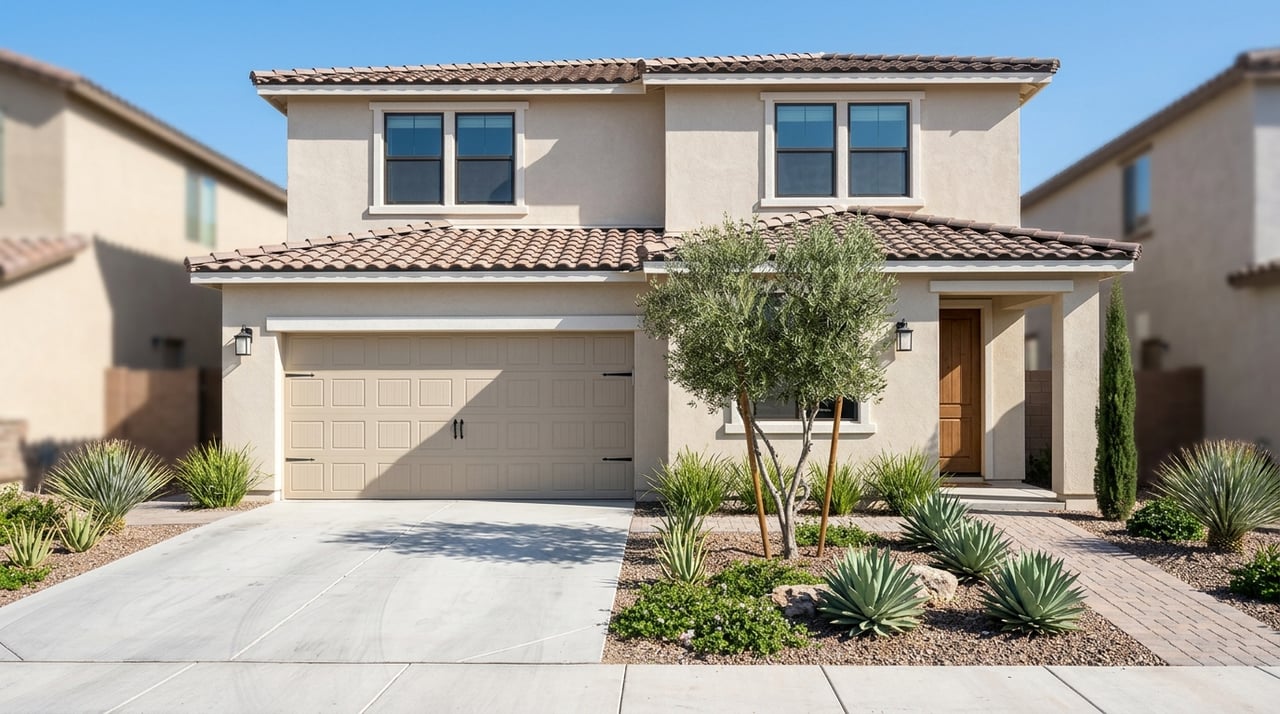
In Carmel Valley, new construction is usually concentrated in newer master-planned areas such as Pacific Highlands Ranch and nearby pockets. The City of San Diego describes Pacific Highlands Ranch as one of its newest residential developments, with about half of its 2,650 acres preserved as open space.
That means you are usually not choosing between dozens of scattered infill projects. Instead, you are often looking at newer communities with a more consistent design style, newer infrastructure, and a planned neighborhood layout.
New homes tend to be larger and more feature-rich
Recent builder offerings in the area show a clear pattern. New homes in these communities often include larger floor plans, contemporary layouts, upgraded kitchens, flexible living spaces, and more garage capacity than many older homes.
For example, recent projects in Pacific Highlands Ranch have included homes ranging from about 4,000 to over 6,000 square feet, with 4 to 6 bedrooms, multiple bathrooms, larger homesites, and features like offices, prep kitchens, decks, loggias, and multigenerational-style suites. If you want a home built around modern living patterns, new construction may check more of your boxes.
Builder warranty coverage is a major draw
One of the biggest practical benefits of new construction is warranty coverage. The FTC notes that most newly built homes come with a builder warranty, and those warranties commonly include about one year for workmanship and materials, two years for major systems like HVAC, plumbing, and electrical, and up to 10 years for major structural defects.
That does not mean a new home will never need attention. It does mean you may have more protection in the early years than you would with a resale property.
Keep in mind that the builder has representation
If you visit a builder community, it is important to remember that the builder’s sales agent represents the builder. Chase notes that a buyer’s agent can provide independent guidance, help compare incentives and timelines, and represent your interests through the contract process.
That matters even more in a market like Carmel Valley, where the price differences between communities and floor plans can be significant. Having your own representation can help you look past the model-home excitement and focus on the numbers and terms.
What resale homes look like in Carmel Valley
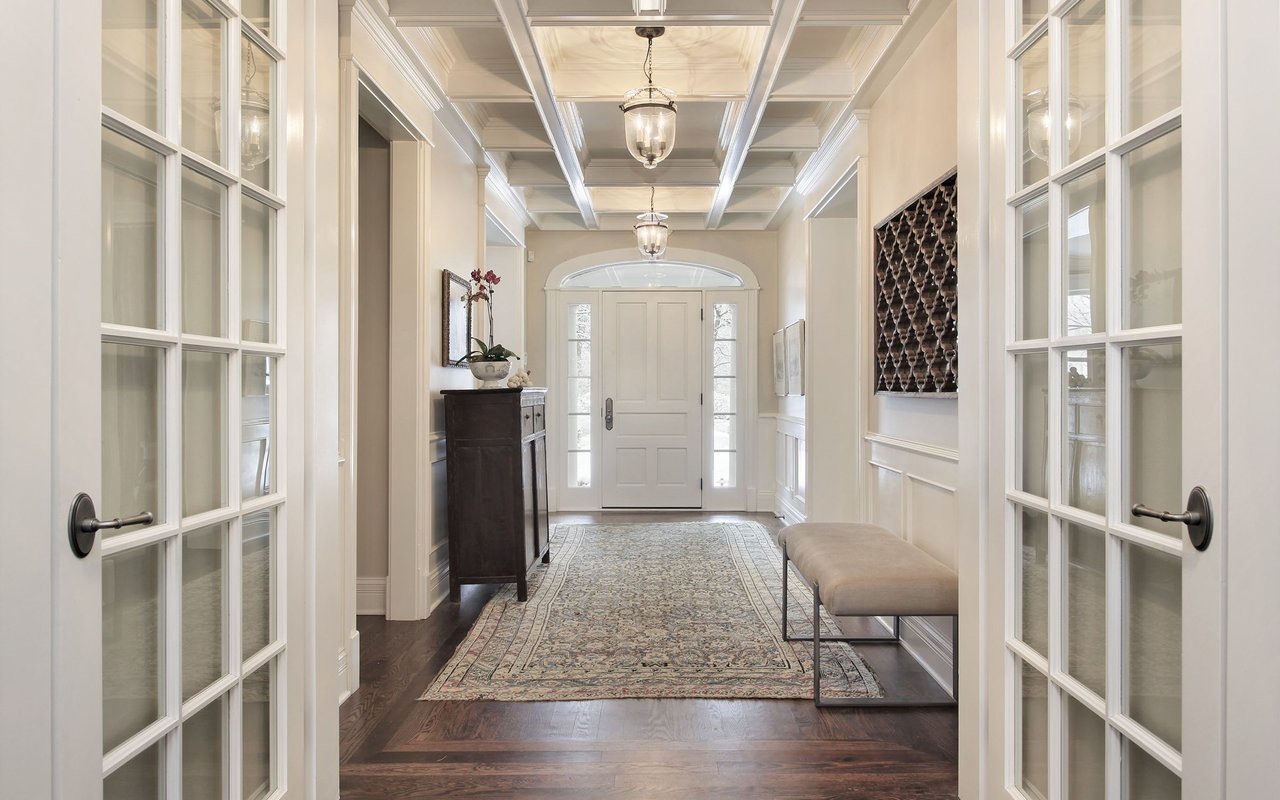
Resale homes in Carmel Valley usually come from the 1980s, 1990s, and 2000s, which gives buyers a wider mix of neighborhoods and housing types. Homes.com neighborhood data puts the median year built at 1997, with average single-family homes around 3,062 square feet and townhomes around 1,909 square feet.
That broad resale inventory is one reason many buyers still prefer existing homes here. You may find detached homes, townhomes, and condos across established sections of the community, often with more immediate availability than a new build.
Established neighborhoods offer a different lifestyle feel
Because much of Carmel Valley was built out over time, resale neighborhoods often come with completed street networks, mature landscaping, and long-established associations. The City of San Diego’s planning history supports that built-out character, and local HOA examples reinforce it.
For example, the Del Mar Highlands Neighborhood HOA serves 1,175 homes and handles common-area landscape and maintenance responsibilities. That kind of structure is common in older Carmel Valley neighborhoods and can appeal to buyers who want a community that feels settled rather than still taking shape.
Resale can offer more variety
Resale homes often give you more choice in layout, lot setting, neighborhood character, and price point. While many new homes lean larger and more luxury-oriented, resale inventory can include a broader spread of detached and attached housing.
That variety can be especially helpful if you want Carmel Valley but do not need a 4,000-plus-square-foot home. In some cases, resale also gives you faster move-in timing because the home is already complete.
Repair exposure is usually higher with resale
The tradeoff is that an existing home generally does not come with the same builder-backed warranty structure as a brand-new property. The FTC distinguishes builder warranties from home warranty service contracts, which are optional and typically cost extra for existing homes.
So while resale may offer convenience and neighborhood choice, you should also be ready to evaluate age, condition, and potential repair needs more closely. Systems, finishes, and maintenance history can vary from property to property.
Cost differences between new and resale
Price is often where the decision becomes most real. In general, new construction tends to carry a premium in Carmel Valley, and that premium reflects more than just shiny finishes.
A San Diego County new-construction cost study found that a typical 2023 buyer would expect to pay roughly $31 per square foot more for new-construction homes built in 2019 or later than for existing homes. In Carmel Valley, that difference can feel even more noticeable because buildable land is limited and newer opportunities are concentrated in a smaller number of communities.
Why new homes often cost more
Buyers are often paying for several things at once with new construction:
- Newer systems and materials
- Contemporary floor plans
- Builder warranty coverage
- Scarcity of newer inventory
- Amenity-rich master-planned settings
If those priorities are high on your list, the premium may feel justified. If your focus is value, location choice, or immediate availability, resale may be the better fit.
HOA and Mello-Roos questions to ask
Whether you buy new or resale in Carmel Valley, monthly ownership costs deserve a careful look. This area includes a mix of master and neighborhood HOAs, and the details can vary from one community to another.
Pacific Highlands Ranch North HOA, for example, covers ten communities and provides services that include architectural matters, resident app access, and new-resident orientation. Other areas, including established neighborhoods and smaller enclaves, also operate under HOA governance.
Mello-Roos can affect your monthly budget
Buyers should also ask about Mello-Roos or Community Facilities District taxes, especially in newer or master-planned phases. The City of San Diego defines these districts as special taxes or assessments property owners vote to impose to help finance public improvements required by development.
The County Assessor notes that new-home public reports must disclose indebtedness, while resale buyers may need to do more research because that public report is not automatically available. In practice, that means parcel-level verification is important before you commit.
How to choose the right fit for you
There is no one-size-fits-all answer in Carmel Valley. The better option depends on what matters most to you in the next five to ten years.
If you want modern design, larger floor plans, newer systems, and builder warranty coverage, new construction may be worth the premium. If you want a wider range of neighborhoods, more housing types, and potentially faster move-in options, resale may be the better path.
New construction may be a better fit if you want:
- Modern layouts and finishes
- Larger homes in newer communities
- Early-years warranty coverage
- A more current master-planned setting
Resale may be a better fit if you want:
- More neighborhood variety
- More established surroundings
- A broader mix of home types
- Immediate or faster occupancy
The key is to compare the full picture, not just the listing photos. Monthly costs, HOA structure, tax obligations, condition, warranty coverage, and long-term resale appeal all matter.
A calm, local, process-driven approach can make that comparison much easier. If you want help evaluating Carmel Valley homes with a clear eye on cost, condition, and neighborhood fit, connect with Evan Wagley for a thoughtful, hands-on conversation.
FAQs
Is new construction common throughout Carmel Valley?
- No. Most new-construction opportunities are concentrated in newer master-planned pockets such as Pacific Highlands Ranch and nearby areas, rather than spread evenly across Carmel Valley.
Are resale homes in Carmel Valley much older?
- Most resale homes in Carmel Valley are not historic housing stock. Many were built in the 1980s, 1990s, and 2000s, and Homes.com data puts the neighborhood median year built at 1997.
Do new homes in Carmel Valley usually cost more than resale homes?
- Yes. New construction usually carries a premium because buyers are often paying for newer systems, modern floor plans, warranty coverage, and the limited supply of buildable land in the area.
Should Carmel Valley buyers ask about HOA fees and Mello-Roos?
- Yes. Carmel Valley has a mix of master and neighborhood HOAs, and some properties may also have Community Facilities District taxes, so it is important to verify those costs property by property.
Does a builder sales agent represent the buyer in a new-construction purchase?
- No. The builder’s sales agent represents the builder, which is why many buyers choose to have their own agent provide independent guidance and contract support.
Is resale a better choice for faster move-in in Carmel Valley?
- It can be. Resale homes are often already complete and available now, while new construction may involve builder timelines, phased releases, or longer delivery periods.