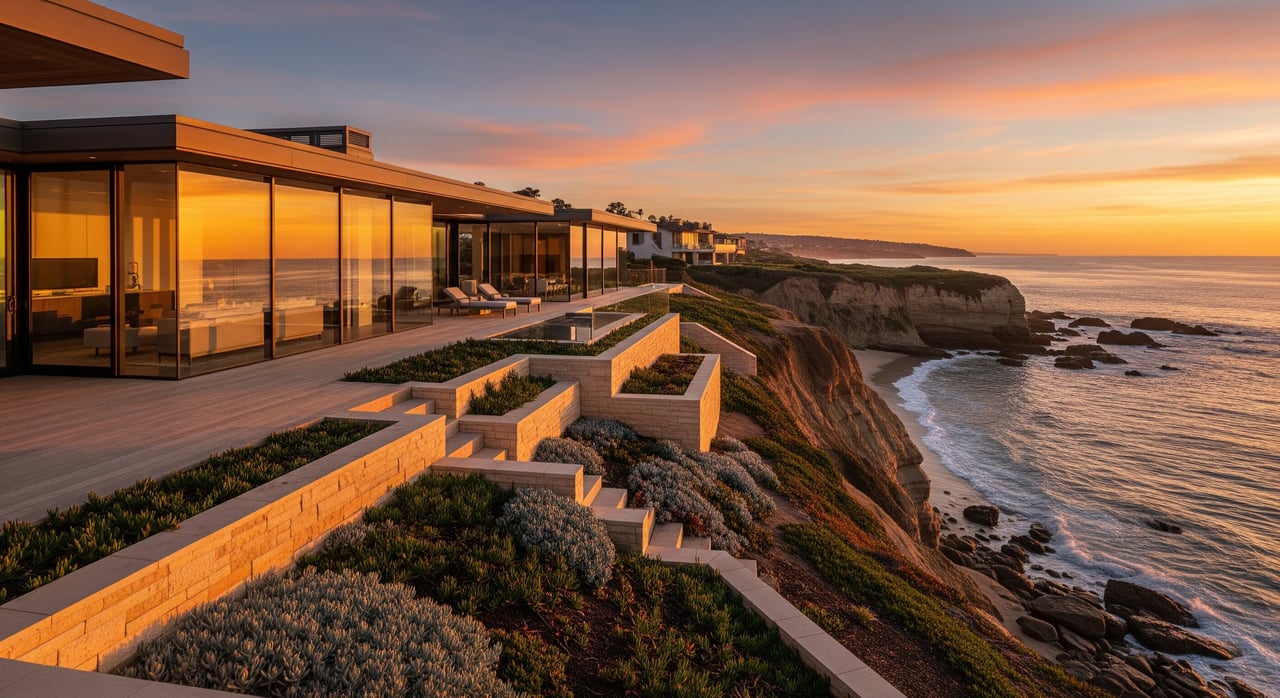
Are you wondering how San Diego’s new coastal resilience plans could influence life and property values along Sunset Cliffs? You’re not alone. With active bluff erosion and a City plan now in motion, buyers and sellers in Point Loma want clear, practical guidance. In this guide, you’ll learn what the plan includes, why Sunset Cliffs is a focus area, and how upcoming changes could shape value over time. Let’s dive in.
What the plan covers
The City of San Diego adopted the Coastal Resilience Master Plan as a conceptual blueprint to address flooding, erosion, and access at high‑priority shoreline sites, including Sunset Cliffs. The plan sets out nature‑based concepts and next steps for engineering, permitting, and funding over multiple years. It does not itself authorize construction. You can review the program details and timeline on the City’s project page for the Coastal Resilience Master Plan.
- City overview and next steps: Coastal Resilience Master Plan
Why Sunset Cliffs matters
Sunset Cliffs experiences active bluff erosion and periodic instability. In late 2024, the City installed barricades at a damaged bluff section for public safety, a reminder that day‑to‑day access can shift with conditions. The City’s sea‑level‑rise materials summarize regional science that anticipates meaningful risk by mid to late century, with ranges planners use to test designs. FEMA flood designations also matter because they influence insurance and lending requirements.
- Local hazard context: Sea Level Rise and Flooding — City of San Diego
- Recent incident: NBC 7 coverage of Sunset Cliffs barricades
Proposed changes to watch
For Sunset Cliffs, the City’s concepts emphasize enhancing trails and overlooks, expanding native revegetation, improving drainage, and reducing hard surfaces near the cliff edge. One concept under discussion is removing certain cliff‑edge parking areas and reconfiguring Sunset Cliffs Boulevard to a one‑way segment with a separated pedestrian path. Nature‑based approaches are prioritized, while hard armoring faces strict limits under state policy.
- Concept highlights and access considerations: City announcement on plan adoption and concepts
- Ongoing local projects: Sunset Cliffs Natural Park hillside and trail work
- State policy context: California Coastal Commission sea‑level‑rise page
Value impacts: what to expect
Short‑term outlook
In the next 1 to 2 years, most pricing will reflect current conditions, buyer demand, and visible access or safety changes like temporary barricades or trail closures. Announced ideas about parking removal or a one‑way road may influence buyer preferences for properties that depend on visitor access or short‑term rental income. Since the plan is conceptual, price shifts tied solely to the plan are likely modest until designs and permits take shape.
Medium to long term
Over 5 to 30 years, values may diverge by micro‑location. Properties set farther from the bluff or with durable access and parking solutions could be more resilient. Parcels affected by new setbacks, reduced parking, or altered traffic patterns may face relative headwinds. Well‑designed trails, overlooks, and native landscaping can enhance neighborhood appeal, which may support values for some homes.
Insurance and carrying costs
Insurance availability and pricing can impact affordability and buyer demand. Where mapped flood exposure increases, some owners may see higher premiums or tighter underwriting. Research on other coastal markets shows measurable effects when properties fall inside regulatory flood zones.
- Insurance insight: Freddie Mac analysis on flood risk and prices
Regulations and access
Changes to roads or parking can affect convenience for residents and visitors. Coastal Development Permits and state review can also shape what protective measures are allowed near the bluff. Expect continued public input as designs advance, especially where access and parking are concerned.
Disclosure and perception
In California, sellers must provide a Natural Hazard Disclosure. Buyers increasingly weigh hazard designations and future risk, even before impacts occur. Clear documentation and proactive communication help reduce uncertainty for both sides.
- Disclosure requirement: California Natural Hazard Disclosure statute
Timeline and decision points
Adoption of the plan is the starting line, not the finish. Each project will move into engineering, environmental review, permitting, and funding. Expect multi‑year timelines. The most relevant milestones for property owners will be site‑specific designs, any proposed changes to roadways or parking, and updates to regulatory maps that affect insurance and lending.
- Program details and updates: Coastal Resilience Master Plan
Buyer checklist: Sunset Cliffs
Use this quick list to evaluate risk and opportunity with clarity.
- Verify flood status using the FEMA Flood Map Service Center. Ask your lender how the designation could affect financing and insurance.
- Read the full NHD and ask for any geotechnical, bluff, or repair reports tied to the property: California Natural Hazard Disclosure statute.
- Price insurance early. Get quotes for flood and coastal coverage and clarify renewal terms before you write an offer.
- Review elevation and setback. Parcels with greater bluff setback or documented stabilization efforts often carry lower physical risk.
- Visualize scenarios with the NOAA Sea Level Rise Viewer to understand long‑range exposure.
- Track City hearings for Sunset Cliffs concepts that could alter parking or roadway patterns.
Seller checklist: Sunset Cliffs
Make your listing resilient to buyer questions and underwriting.
- Disclose completely. Provide the NHD and any records of bluff monitoring, revegetation, drainage work, or permits.
- Document maintenance and improvements. Geotechnical reports, slope inspections, and trail or drainage upgrades can boost buyer confidence.
- Monitor proposed access changes. If parking removal or one‑way conversions advance, set clear expectations in your listing and show nearby alternatives.
- Set pricing strategy by micro‑location. Consider elevation, setback, and access when selecting comps and positioning your home.
If you want a calm, disciplined plan to navigate these changes in Point Loma, reach out to Evan Wagley for a tailored strategy.
FAQs
Will Sunset Cliffs be underwater by 2100?
- Projections show meaningful long‑term sea‑level‑rise risk, but outcomes vary by scenario and location. The City uses ranges to design for resilience, and parcel‑level exposure will differ.
Will the City force homeowners to relocate?
- The Coastal Resilience Master Plan is a conceptual program focused on public access and nature‑based measures. It does not authorize buyouts, which require separate programs and funding.
Could a one‑way road or less parking reduce values?
- Changes to access and parking can influence convenience, visitor traffic, and short‑term rental appeal. The net effect depends on final designs and whether improved trails and overlooks offset lost parking.
Does the plan allow seawalls?
- State policy generally restricts hard armoring because it can harm beaches. Site‑specific exceptions may occur under strict conditions, but the plan emphasizes nature‑based options first.
How might insurance and lending change for Sunset Cliffs?
- If FEMA maps or risk assessments change, some properties could face higher premiums or required flood insurance. Pre‑checking insurance and lender conditions early is wise.