Thinking about adding an ADU in Point Loma to create reliable rental income? You are not alone, and you are smart to look closely at how coastal rules, costs, and timelines affect your plan. In this guide, you will learn the essentials for Point Loma: what to build, how permits work, what it may cost, and how to choose between long‑term and short‑term rental strategies. You will also get a clear checklist to move forward with confidence. Let’s dive in.
ADU basics in San Diego
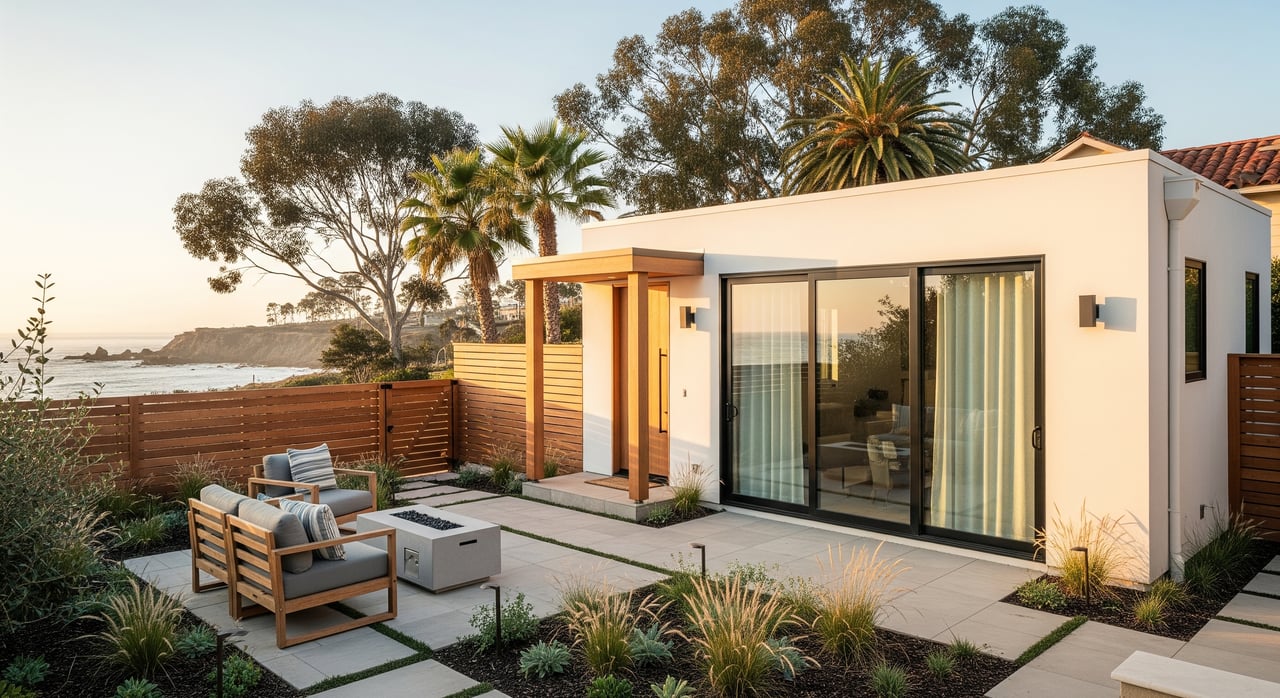
An accessory dwelling unit is a second, independent home on the same lot as your primary residence. Common forms include a garage conversion, a new detached backyard unit, an interior conversion, or a junior ADU carved from your existing home. You can use an ADU for long‑term rentals, short‑term rentals, multigenerational living, or your own flexible space.
Two levels of rules shape ADUs in Point Loma. California state law sets broad allowances, while the City of San Diego sets local standards, reviews, and procedures. In many coastal parts of Point Loma, the City’s Coastal Overlay and the California Coastal Commission can add a Coastal Development Permit on top of standard building permits. If you plan a short‑term rental, you must follow San Diego’s short‑term rental regulations and register for Transient Occupancy Tax.
Typical permitting steps include a zoning and feasibility check with City of San Diego Development Services, preparation of plans and engineering, coastal review where applicable, utility connection review, and final inspections for occupancy. Rules can change and details are site‑specific, so verify requirements with the City and, if your property lies in the coastal zone, the California Coastal Commission.
Point Loma site factors to know
Point Loma has a mix of urban and coastal lot types. Many single‑family parcels are modest in depth and width, with some hillside or bluff locations near the ocean. That means access, setbacks, and yard space can shape what you can build.
Common ADU opportunities here include garage‑to‑ADU conversions, above‑garage carriage units, interior conversions, and small detached units in the backyard. New detached units can be limited by rear‑yard access and setbacks, so a careful site plan helps you choose the right layout.
Coastal and bluff realities
If your property is in the coastal zone, expect additional review and potential conditions. Projects that affect public views, shoreline access, coastal resources, or bluff stability receive heightened scrutiny. Bluff‑adjacent lots often require geotechnical engineering, special foundations, and increased setbacks to address slope stability and erosion.
Low‑lying properties may fall within FEMA flood zones or local floodplain rules. You may need flood‑resistant construction, elevation strategies, or drainage upgrades. High groundwater near the ocean makes basements uncommon and can increase excavation costs.
Historic and HOA checks
Some Point Loma areas include historic or conservation overlays. Historic designation can trigger design standards or preservation review. If you are in an HOA, review your CC&Rs. California law limits outright ADU bans, but HOAs may enforce reasonable rules. Confirm restrictions and your rights before you design.
Costs and timelines you can expect
ADU budgets vary by design, site, and finish level. Coastal, bluff, or hillside conditions can raise costs due to specialized engineering and foundations. Still, there are useful ballparks to plan your first pass.
- Conversion (garage or interior): often cited at roughly $60,000 to $200,000+ depending on structural changes and finishes.
- New detached ADU: often cited at $150,000 to $500,000+, with many modest units landing around $200,000 to $400,000. Complex coastal sites can exceed these ranges.
Major cost drivers include unit type, site slope and soils, foundation needs, utility upgrades, coastal or geotechnical reviews, permit fees, and the quality of kitchens, baths, and fixtures. Local labor and material markets also affect final pricing.
Timelines break into three phases. Feasibility and design can run several weeks to a few months. Permit review may take a few weeks to several months, and coastal or historic review can add time. Construction typically takes several months, often 3 to 9+ months depending on complexity.
Rental strategy: long‑term or short‑term
Choosing between a long‑term tenant and a short‑term rental sets your operating rhythm, cash flow profile, and management needs. Start with your goals, your tolerance for turnover, and your site’s location and access.
Long‑term rental pros and cons
- Pros: steadier monthly income, lower turnover, simpler management, and fewer furnishing costs.
- Cons: often lower per‑night revenue than short‑term rentals, plus tenant screening requirements and compliance with California landlord‑tenant law.
Short‑term rental pros and cons
- Pros: potentially higher gross revenue in high‑demand coastal markets like Point Loma, and more flexibility for your own use.
- Cons: stricter regulation in San Diego, including permits and Transient Occupancy Tax registration. You face more intensive management, frequent cleanings, variable occupancy, and potential neighbor or HOA concerns.
If you are considering an STR, study seasonality and compliance steps early. Confirm current San Diego STR rules and your TOT obligations before you furnish or market the unit.
Pricing, returns, and taxes
Set your rent using comparable ADU‑sized listings in Point Loma and nearby neighborhoods like Ocean Beach, the Peninsula area, and Shelter Island. Focus on location drivers: proximity to the water, views, parking, and walkability. For STRs, model occupancy by season and build in cleaning, linen, and supply costs along with STR‑specific insurance.
Evaluate your cash flow with a simple framework: gross rent minus management, vacancies, utilities you cover, maintenance, insurance, property taxes, and debt service. For the overall return, consider how you will recover one‑time construction costs across multiple years using a cap rate or cash‑on‑cash calculation. New ADUs can increase your assessed value, so include property tax changes in your model and consult a CPA on income tax and depreciation.
If you plan to finance, include loan payments in your cash flow and test scenarios for rate changes or a slower lease‑up. A conservative pro forma helps ensure your ADU supports your goals in both peak and off‑peak months.
Management, operations, and risk
Operating costs continue long after construction ends. Budget for routine maintenance, utilities if you include them, landscaping, appliance replacement, and periodic repainting. Update your homeowner’s policy to include landlord or secondary dwelling coverage, and consider specialized short‑term rental insurance if you choose an STR.
Property management costs vary by strategy. Many local managers charge around 8 to 12 percent of collected rent for long‑term rentals. Short‑term rental management typically costs 20 to 30 percent or more due to turnover and marketing.
Safety and code compliance are non‑negotiable. Plan for smoke and carbon monoxide detectors, proper egress windows, and required fire separation where applicable. Lease documents must comply with California law, including security deposits, habitability, and notices. For STRs, complete required permits, register for TOT, and follow any good‑neighbor or safety standards set by the City of San Diego.
In coastal settings, risk mitigation is key. Near bluffs, you may need a geotechnical report and specialized foundations. If you are in a flood‑prone area, consider elevation strategies, flood insurance, and resilient materials. Point Loma’s salt air and coastal winds can accelerate wear, so choose durable exterior finishes and hardware.
Point Loma ADU checklist
Use this checklist to move from idea to action. Each step helps reduce surprises and control costs.
- Zoning check: contact City of San Diego Development Services or use city tools to confirm ADU eligibility and overlay designations, including coastal or historic areas.
- Title and CC&R review: check deeds and HOA documents for private restrictions that may affect your design.
- Site constraints: order a basic site plan and identify utility locations, setbacks, and access for construction.
- Coastal and geotechnical screening: if you are in a coastal overlay or near bluffs, plan for a geotechnical report and early outreach to coastal review authorities.
- Cost estimate: collect 2 to 3 estimates from local architects and contractors. Compare conversion vs new build and add a contingency for coastal work.
- Permits and fees: request a permit fee estimate from the City and clarify any Coastal Commission involvement. Expect timelines to vary.
- Taxes and insurance: speak with a CPA about rental income, depreciation, and potential assessment changes. Check with your insurance agent about dwelling and liability coverage.
- Rental plan: decide between long‑term and short‑term strategies and research comparable rents or STR occupancy. If STR, confirm current STR rules and TOT registration.
- Project team: select an architect or designer familiar with San Diego’s coastal rules and a licensed general contractor with Point Loma ADU experience.
Putting it all together
An ADU in Point Loma can be a strong, flexible investment when you match the design to your lot, respect coastal rules, and choose the rental plan that fits your goals. Start with a zoning and feasibility check, model your cash flow with realistic costs, and plan early for coastal, historic, or HOA conditions. When in doubt, get clarity from City of San Diego Development Services and, if applicable, the California Coastal Commission.
If you want a steady, data‑driven partner to help you think through ADU potential, rental strategy, and long‑term resale planning in Point Loma, reach out to Evan Wagley. You will get disciplined, client‑first guidance grounded in real investment experience, plus local market insight to support a confident decision.
FAQs
How long does ADU permitting take in Point Loma?
- It varies from a few weeks to several months, and coastal or historic reviews can add time; an early pre‑application meeting with the City helps set realistic expectations.
Will building an ADU raise my San Diego property taxes?
- New construction typically affects assessed value and can change your property tax bill; consult the County Assessor and a tax advisor before you start.
Can my Point Loma HOA stop me from adding an ADU?
- California law limits outright ADU bans by HOAs, but HOAs may impose reasonable rules; review your CC&Rs and confirm specifics with counsel if needed.
Are basements practical for ADUs near the coast in San Diego?
- Basements are rarely feasible due to high groundwater; most Point Loma ADUs are above grade or conversions.
Do I need extra parking for a Point Loma ADU?
- State law often constrains parking requirements, but local rules and site conditions still matter; verify your exact parking obligations with the City before you design.
Can I use a Point Loma ADU for short‑term rental income?
- Possibly, but you must follow San Diego’s short‑term rental regulations and register for Transient Occupancy Tax; verify current rules and enforcement before you operate.
What ADU type works best on smaller Point Loma lots?
- Garage conversions, above‑garage carriage units, and interior conversions are common solutions for modest or irregular lots, with detached units added where setbacks and access allow.